"In 2022, an estimated 62 million tonnes of e-waste were produced globally." - World Health Organization
How Recycling Electronics Works and Why It Is Important
In a world increasingly reliant on technology, electronic waste is becoming one of the fastest-growing environmental challenges of our time. While newer, more advanced gadgets may promise an edge in daily life, they also pose a significant question: What happens to the devices we discard? Unraveling how recycling electronics works not only sheds light on a crucial environmental process but also highlights the potential impact we can have as individuals and communities. For residents and organizations seeking efficient computer recycling services in Wausau, WI, Midwest Computer Recyclers stands as a beacon of responsible disposal.
Electronic waste, or e-waste, contains materials and components that can harm the environment if not properly managed. The average American replaces a cell phone every 18 months, contributing to the over 50 million metric tons of e-waste generated globally each year. This continuous cycle of upgrading electronics can lead to a buildup of harmful chemicals in nature unless mitigated by effective recycling programs. Understanding the significance of e-recycling is essential for advancing toward a sustainable future. This blog will explore the mechanics behind recycling electronics and the critical reasons why this process is vitally important.
Understanding the Electronics Recycling Process
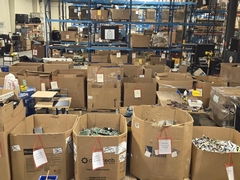
Recycling electronics involves a meticulous process aimed at recovering valuable materials while safely disposing of hazardous elements. The journey begins with collection, where unwanted devices are gathered through recycling drives and collections in Wausau, WI. Participants can often drop off their old gadgets at designated drop-off points, ensuring they are handled by professionals rather than ending up in landfills.
Once collected, the electronics are transported to specialized facilities. Here, they are meticulously dismantled. Technicians separate reusable materials such as metals, plastics, and glass. During the dismantling process, components are thoroughly inspected; those that can be refurbished and reused are set aside, while broken parts are sorted for material recovery.
The materials are then processed for recycling. Metals like aluminum, copper, and gold are extracted and sold to manufacturers for creating new devices, while plastics are recycled into pellets for various industrial uses. This stage is pivotal, as it underscores how recycling electronics works by not only minimizing waste but also contributing to the circular economy.
Environmental and Human Health Benefits
Proper electronics recycling provides substantial environmental benefits, ranging from reducing landfill use to conserving natural resources. Electronics often contain toxic substances such as lead, mercury, and cadmium, which can leach into the soil and water if disposed of improperly. Through recycling, these harmful elements are contained and treated safely, preventing potential health risks and environmental damage.
Moreover, by recycling metals and reusing components, there is a significant decrease in the demand for raw material extraction. This reduction alleviates the pressure on mining and manufacturing industries, thereby decreasing greenhouse gas emissions and the depletion of scarce resources. In essence, understanding how recycling electronics works can transform discarded technology from environmental hazards into valuable resources.
The human health implications are equally vital. By managing hazardous waste effectively, we limit exposure to toxic substances, protecting both workers in waste management and the larger community from the dangers associated with improper disposal.
The Economic Advantages of E-Recycling
Beyond its environmental impact, recycling electronics can be a lucrative economic activity. It provides job opportunities in areas ranging from collection and transportation to processing and sales. Moreover, the sale of recycled materials offers financial gains, fostering growth within the recycling industry. For companies like us, engaging in electronics recycling presents not only a moral obligation but also a viable business opportunity.
Recycling drives and collections in Wausau, WI offer community members opportunities not just to dispose of their waste responsibly but to contribute to an economy that values sustainability. This symbiotic relationship highlights the greater economic benefits of how recycling electronics works within a community-driven model.
Overcoming Challenges in Electronics Recycling
Despite its many benefits, e-recycling faces several challenges. One major hurdle is the complexity of modern electronics, which often combines multiple materials in intricate designs, making recycling labor-intensive and costly. Furthermore, the rapid pace of technological advancement means that electronics quickly become obsolete, leading to an ever-increasing volume of e-waste that recycling centers must handle.
To surmount these challenges, policies need to be in place to support recycling infrastructure. Innovations in recycling technology also play a crucial role in improving the efficiency of the process. Educating the public on the importance of responsible e-waste disposal can foster greater cooperation and participation in recycling initiatives, thereby enhancing the efficacy of how recycling electronics works across communities.
How You Can Make a Difference
Engaging with convenient recycling options is one proactive way individuals can contribute to a healthier environment. Understanding the avenues available for responsible electronic disposal can guide decision-making. Many areas offer accessible services that simplify the recycling process for consumers - we, for instance, provide various programs tailored to meet the needs of businesses and individuals interested in making conscious disposal choices.
If you are unsure about how to dispose of your old tech gadgets, check local resources for collection events or dedicated drop-off points. Being informed of options available in Wausau, WI ensures that your e-waste is handled properly, underlining your role in how recycling electronics works to foster a sustainable future.
The Technology Behind Safe and Secure E-Waste Management
An important consideration in e-recycling is secure data destruction. Sensitive data often remains on devices destined for recycling, posing potential privacy risks. Comprehensive e-recycling programs prioritize secure data destruction, ensuring that personal information is thoroughly and irretrievably wiped from all devices. This measure is crucial for maintaining digital security in an increasingly interconnected world.
Technological advancements in data wiping and encryption are continuously evolving to complement traditional recycling methods. These innovations underscore the layered complexities of how recycling electronics works within modern waste management practices, especially as the significance of protecting digital privacy grows.
Get Involved with Electronics Recycling Today
Facing the burgeoning challenge of electronic waste requires concerted efforts from individuals, businesses, and policymakers alike. Understanding your role in the recycling process - and the various options available - can significantly impact environmental health and resource conservation.
Residents and businesses in Wausau, WI can take advantage of the recycling drives and collections in the area to responsibly dispose of their electronics. By participating in these initiatives, you contribute to a sustainable environment and support eco-friendly enterprises like us.
Whether through secure data destruction, engaging in recycling programs, or advocating for sustainable practices, every action counts. Together, we can ensure that how recycling electronics works nurtures a future that values both technological advancements and environmental stewardship. For those ready to take the next step, we stand prepared to assist with all your recycling needs. Contact us today and contribute to a greener tomorrow.