"In 2022, an estimated 62 million tonnes of e-waste were produced globally." - World Health Organization
From Trash to Treasure: The Top 5 Innovations Revolutionizing Electronics Recycling Today
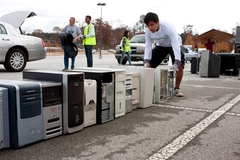
In a rapidly digitalizing world, the dependency on electronic gadgets is at an all-time high. But as old devices are replaced by newer ones, this rampant pace of consumption spawns a crucial question: "What happens to the discarded technology?" From household to office, old electronics often find themselves in back rooms, forgotten, eventually contributing to an ever-growing e-waste crisis.
It's an issue gaining alarming attention, with significant environmental implications. Leading electronic recycling companies are stepping up by offering innovative computer recycling services to tackle this growing concern. Midwest Computer Recyclers, for example, is at the forefront of this revolution, providing electronic recycling services in Wausau and its immediate surroundings, to ensure safe disposal and recycling of electronics, minimizing environmental impact.
This blog will delve into the top five innovations that are setting the stage for a more sustainable future. These advances not only aim at effective recycling but also convert waste into value-added resources, potentially transforming how we perceive electronic waste globally. Let's explore the compelling changes underway and how they are shaping a greener tomorrow.
The Rise of Advanced Sorting Technologies
Sorting e-waste manually can be labor-intensive and error-prone. However, recent innovations in sorting technologies are revolutionizing the way recycling centers process materials.
The Role of Artificial Intelligence
Artificial Intelligence (AI) is now being leveraged to improve the efficiency of sorting e-waste. With machine learning algorithms and computer vision, AI can rapidly and accurately categorize different types of electronic waste. This advancement results in higher yields of recoverable materials, boosting overall recycling rates.
AI systems are equipped to recognize components, such as plastics, metals, and circuit boards, making the process faster and considerably more efficient than traditional methods. By improving the sorting precision, these technologies ensure that each material type is recycled in the most appropriate manner.
Utilizing Robotics in Sorting Lines
Incorporating robotics into recycling lines presents another domain where efficiency meets innovation. Robots equipped with specialized grippers and sensors are used to conduct hazardous tasks, reducing human risk and ensuring safer working conditions. Not only does this expedite the recycling process, but it also boasts productivity, saving time and costs.
Chemical and Biological Recovery Methods
Traditional recycling of electronic waste primarily involves mechanical shredding and the physical separation of materials. However, recent strides in chemical and biological methods are proving game-changers.
Innovative Chemical Processes
Advanced chemical recycling involves using various solutions to dissolve metals for easy recovery without the risk of harmful emissions. They allow for the extraction of precious metals like gold, silver, and palladium, which otherwise would be lost or cumbersome to reclaim by conventional means.
Pioneering Biological Methods
On the flip side, bioleaching utilizes microorganisms to leach valuable metals from waste. Certain bacteria can extract metals by breaking down metal sulfides in a controlled environment, allowing a more eco-friendly and efficient way to reclaim resources from e-waste.
Midwest Computer Recyclers employs cutting-edge techniques to ensure these materials find their way back into production cycles efficiently, thereby creating convenient recycling options in Wausau and beyond for the public and businesses alike.
Secure Data Destruction: Beyond Recycling
With the growing need for data protection, secure data destruction within recycling practices has become paramount.
Data Wiping and Shredding
Today's consumers expect robust safeguards when disposing of their equipment. Midwest Computer Recyclers provides secure data destruction to ensure all sensitive information is irretrievably wiped from devices. This involves advanced software solutions for data wiping, alongside physical destruction methods for hard drives that guarantee absolute data elimination.
Employing such secure practices distinguishes reputable recyclers and enhances trust among clients concerned about data breaches.
Circular Economy Innovations
Recyclers today are exploring circular economy concepts where waste becomes a valued resource for other sectors.
Reuse and Refurbishing
Old devices don't necessarily need to be destroyed. Many end-of-life electronics can be refurbished and resold, extending their usability and delaying waste generation. This approach is instrumental in reducing the overall demand for new electronics and the consequent environmental footprint.
Material Reclamation for New Products
Recycling discarded electronics to reclaim rare materials and components that can be used in producing new electronics embodies the circular economy. The ability to recover and reuse these materials reduces the need for mining precious metals, thereby lowering energy use and environmental disturbance.
Community Engagement and Education
The final frontier in revolutionizing the recycling industry rests on robust education and engagement strategies. Raising awareness and fostering active participation within communities is vital for ensuring the success of recycling programs.
Recycling Drives and Collections in Wausau, WI
Through initiatives like recycling drives and collections, Midwest Computer Recyclers encourages community involvement in safe e-waste disposal. These events not only promote awareness but also provide easy access to recycling facilities.
Educational Programs
Educational campaigns targeting schools, businesses, and local governments emphasize the importance and foster a culture of responsibility towards proper waste management.
A Call to Action with Midwest Computer Recyclers
These revolutionary techniques showcase that the future of electronics recycling is promising yet requires concerted efforts from individuals and industries alike. Embracing these innovations means taking significant steps toward an environmentally sustainable world.
Your role in this effort is critical. Partner with Midwest Computer Recyclers today, whether through their secure data destruction services or by participating in their community drives. In this age of digital transformation, let's ensure our environmental safeguards evolve in tandem with technological advances. Contact us today to explore how you can contribute to a better, cleaner future.