"In 2022, an estimated 62 million tonnes of e-waste were produced globally." - World Health Organization
Computer and Electronic Recycling Services: Navigating Regulatory Changes and Compliance
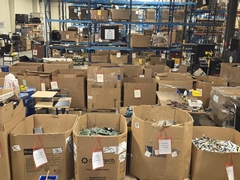
In an ever-evolving technological landscape, businesses and consumers alike face the daunting task of managing obsolete electronic devices responsibly. Have you ever wondered what happens to your outdated laptop or that ancient smartphone sitting in a drawer?
Beyond the clutter these devices create, improper disposal poses significant environmental hazards. Electronic waste, commonly known as e-waste, is one of the fastest-growing waste streams worldwide. According to the Global E-waste Monitor Report, approximately 62 million metric tons of e-waste were generated globally in 2022, with expectations of this figure reaching 82 million metric tons by 2030.
This is why understanding and navigating the regulatory changes in computer and electronic recycling services is crucial for businesses aiming to comply with evolving legal requirements while safeguarding the environment. As regulations become more stringent, navigating the complexities of compliance can be overwhelming. However, it is essential for businesses to stay ahead, not only to adhere to the law but also to support corporate social responsibility initiatives and sustain ecological well-being.
This blog will delve into the key aspects of why staying updated with regulatory changes in electronic recycling is critical. We will explore the benefits and hurdles associated with compliance and provide actionable insights on how businesses can adapt effectively, as recommended by your leading computer and electronic recycling company in Wausau-Midwest Computer Recyclers.
Understanding Regulatory Frameworks
Navigating regulatory frameworks can seem complex, but it's a necessity that cannot be ignored. In the United States, regulations such as the Resource Conservation and Recovery Act (RCRA) outline the legal requirements for hazardous waste management and recycling. State-level laws often add more layers, demanding businesses pursue tailored solutions to comply with both federal and local regulations.
Federal Laws
At the federal level, the U.S. Environmental Protection Agency (EPA) plays a pivotal role. The RCRA is crucial as it classifies e-waste as hazardous waste if certain criteria are met-although not all electronic waste falls into this category. Compliance often involves tracking waste generation, transportation, treatment, storage, and disposal.
State Regulations
State-level regulations can vary significantly. For example, Wisconsin follows the E-Cycle Wisconsin program, which mandates electronics manufacturers to assume responsibility for the collection and recycling of their products. Businesses operating in Wisconsin Rapids must ensure alignment with this program to avoid penalties and ensure sustainable practices.
Benefits and Challenges of Compliance
While compliance offers myriad benefits, from ecological preservation to community goodwill, challenges remain inherent.
Benefits
- Environmental Impact : Proper recycling mitigates the risk of hazardous substances leaching into the soil and water, ultimately enhancing community health.
- Brand Reputation : Embracing eco-friendly practices boosts brand image and customer trust, especially as consumers increasingly prioritize sustainability.
- Cost Savings : Many states incentivize compliant businesses with tax breaks or reduced operational costs for meeting recycling quotas.
Challenges
- Regulatory Complexity : Keeping up with nuanced, ever-evolving laws demands dedicated resources and expertise.
- Implementation Costs : Initial costs for setting up recycling programs can be prohibitive for small to mid-sized businesses.
- Technological Changes : Rapid tech advancements mean faster device obsolescence, continually increasing e-waste volumes.
Actionable Strategies for Effective Compliance
How can businesses take proactive steps to align with compliance mandates? Below are actionable strategies:
- Stay Informed : Regularly check updates from bodies like the EPA and relevant state departments. Subscribe to industry newsletters and attend webinars related to e-waste management.
- Partner with Experts : Collaborate with certified recycling partners like Midwest Computer Recyclers to decipher compliance requirements and streamline e-waste processing. You can employ their electronics recycling services in Stevens Point or secure data destruction services in Wisconsin Rapids, and they can take care of all the regulatory matters for you.
- Educational Initiatives : Implement employee training programs focusing on the importance of recycling policies and practices to embed a culture of responsibility.
- Leverage Technology : Utilize asset management and tracking technologies to effectively manage e-waste and report accurately.
- Community Engagement : Engage with local initiatives and programs. Hosting or participating in community recycling drives can bolster compliance while enhancing community relations.
Recycle Right - Partner with Midwest Computer Recyclers for Compliant, Eco-Friendly E-Waste Solutions
As the global e-waste challenge grows more formidable, adapting to regulatory changes in computer and electronic recycling has never been more vital. Compliance is not merely a legal obligation; it's a moral duty towards ecological stewardship. Wisconsin Rapids exemplifies the impact of proactive recycling approaches within communities, reminding us that any business, regardless of size, can make a difference.
To navigate these complexities successfully, consider partnering with seasoned experts like Midwest Computer Recyclers, who provide comprehensive and budget-friendly computer and electronic recycling services. Contact us to learn how we can support your compliance journey and environmental endeavors. Together, let's contribute to a more sustainable future.